
Weather conditions must be taken into account and not allowed to affect the harvest
Weather conditions must be taken into account and prevented from affecting the harvest.
Agriculture is one of the main consumers of meteorological information and is highly dependent on weather conditions. Every farmer knows how much soil and air moisture, precipitation, light, and heat affect productivity, and how important it is to thoroughly analyze the cause-and-effect relationships and principles that describe how the atmosphere, plants, and soil affect different aspects of agricultural production.
Weather has the greatest impact on crop yields, so modern farmers try to adapt their economic activities to all seasonal changes. They use innovative technologies such as GPS monitoring of equipment, online control of completed work, satellite images that determine the NDVI index, agroscouting, and data from weather stations, which, when used correctly, provide an opportunity to preserve and increase future yields.
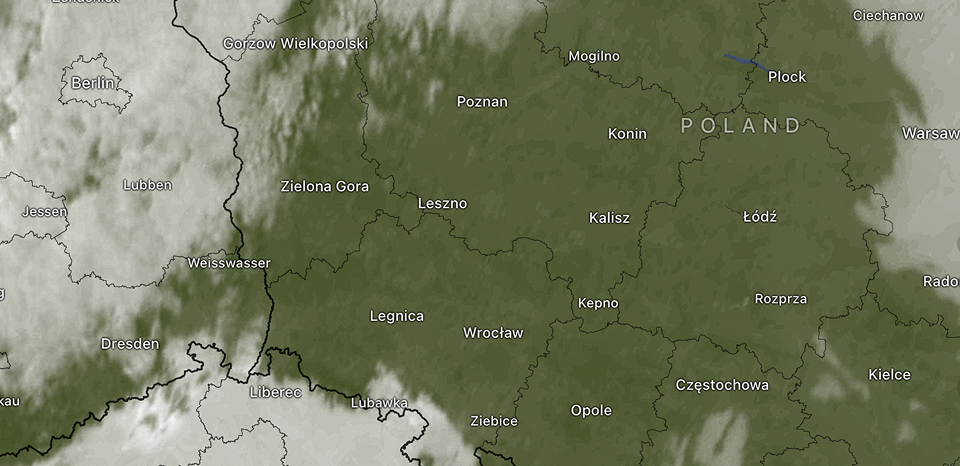
With the help of specialized software products that can work in conjunction with weather stations, it is possible to keep statistics and record key climate indicators, which, upon further analysis, will help avoid unwanted losses at all stages of development. Such a “weather diary” will be the most reliable, since the nearest public weather station may be located tens of kilometers away from the farm’s fields and transmit data that does not correspond to the actual weather conditions on the cultivated land. However, keeping it requires constant observation and labor. If the public weather station is located far away, it is advisable to install your own intelligent weather monitoring systems on the farm to forecast the weather and accurately record current indicators.
It is aimed at automated collection of weather information and serves to interact with specialized weather stations that help determine the parameters of the microclimate of fields for the correct and timely organization of work. Reliable data makes it possible to minimize or avoid crop losses due to adverse weather conditions, thereby increasing the economic and social efficiency of agriculture.
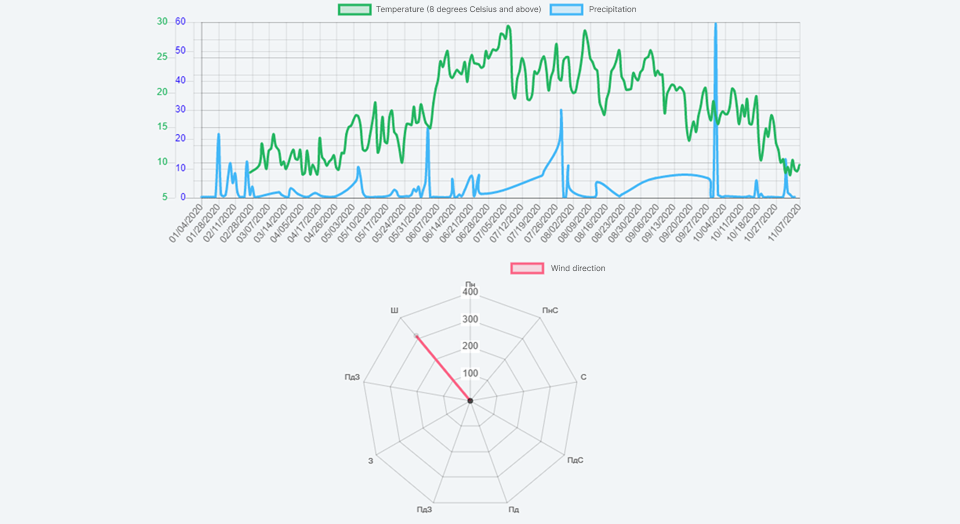
The primary function of such a station is to collect historical weather data that will reflect the actual weather conditions in the fields. It collects data on the temperature and relative humidity of not only the air but also the soil, wind speed and direction, atmospheric pressure, total evaporation, leaf moisture, precipitation, solar radiation, ultraviolet radiation, and many other indicators, the availability of which depends on the configuration of the weather station itself. All information collected over a certain period is analyzed, summarized, and graphically displayed by the data recording device.
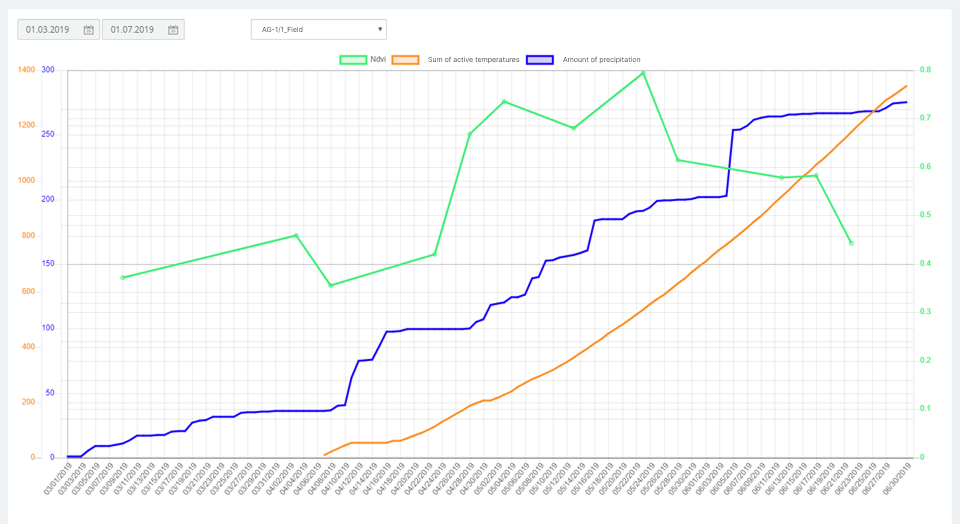
The key feature of a weather station is forecasting, and we are not just talking about weather forecasts. It can be used in everyday work, for example, to see if conditions are favorable for spraying, if they are suitable for sowing, if watering will be needed, etc. Based on the calculation of the sum of active temperatures, it is possible to assess the suitability of a region for growing certain plants, analyze the stages of crop development, their ripening, and the effect of heat on them. By gathering information together, various sensors provide an understanding of the climatic situation, which makes it possible to make forecasts about the quantity and quality of the harvest or the intended use of the land.
When choosing a weather station, you need to know its functional capabilities and what they can be used for. They are actively used in all areas of activity, so it is recommended to choose models that are designed specifically for agriculture. In this case, all data is stored on the server and can be obtained in the form of tables and reports anywhere in the world.
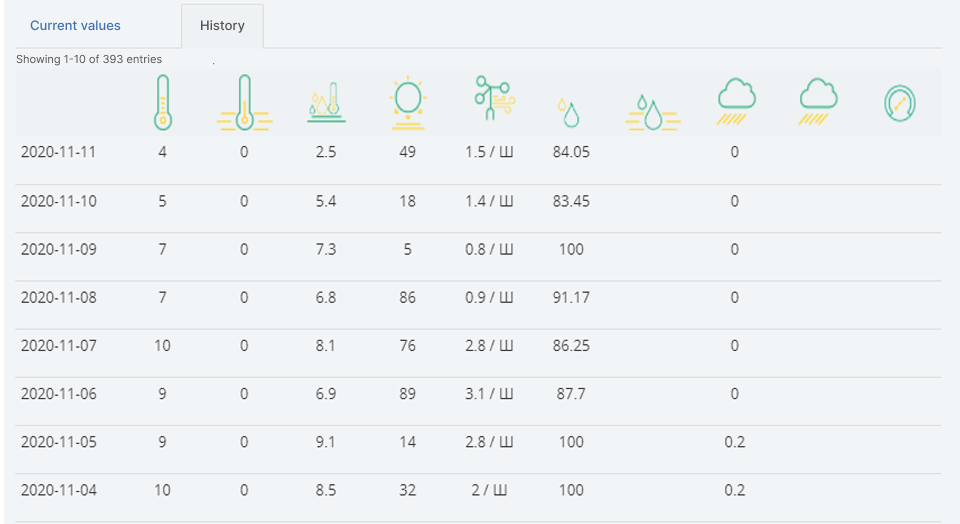
The Agroxy.Farm web service combines information from weather stations of various manufacturers in a single interface. We have long integrated the services of such reliable providers as Metos, which use modern equipment and software, into the system. Now, Davis has joined our list of partners, whose weather stations are suitable for both professional and domestic use. Their technical capabilities allow you to analyze the necessary information and use it effectively to increase farm productivity and, accordingly, increase their profitability.
Weather stations are a tool for decision-making. They provide an opportunity to plan field work, which directly depends on weather conditions, and to accumulate a database, forming a “history” of each field. It should be noted that they work most effectively in conjunction with a responsible agronomist who will respond in a timely manner to software warnings and be sure to take into account the weather parameters that affect the activities of the entire agricultural enterprise.